

Main website:
Other company websites:
Choose website


Metro and Urban Transit Hub Security: Supporting Daily Passenger Flow Without Creating New Bottlenecks


Metro and Urban Transit Hub Security: Supporting Daily Passenger Flow Without Creating New Bottlenecks
Metro stations and urban transit hubs need security measures that support constant passenger movement. Fast, risk-based bag screening can add protection without creating new congestion.
Metro and Urban Transit Hub Security: Supporting Daily Passenger Flow Without Creating New Bottlenecks
FOCUS: Security screening for metro stations and urban transit hubs
APPLICATION: Daily passenger flow, selected screening points and risk-based transport security
SOLUTION: LV STREAM high-throughput A-EYE-powered bag screening
CONTACT: ukinfo@linevsystems.com
Introduction
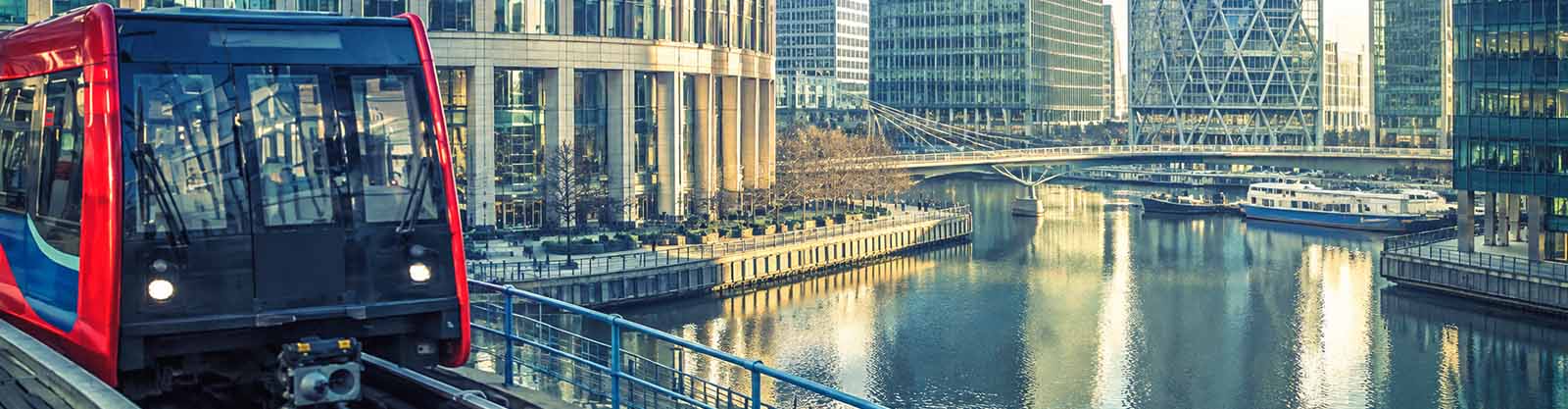
Metro security must be built around movement. Metro stations and urban transit hubs are designed to move large numbers of people quickly, repeatedly and predictably throughout the day. Security measures that interrupt this flow can create congestion, passenger frustration and secondary risks.
That makes transport hub security different from event security. The challenge is not a single arrival peak. It is daily passenger flow: morning commute, evening commute, service disruption, special events, alerts and sudden surges.
Why Metro Security Is a Flow Problem
In a metro or underground environment, every delay can multiply. A slow check at one entrance may affect ticket barriers, escalators, platforms, interchange routes and emergency access. A security measure that works in a low-volume public building may become impractical when applied to a busy transport node.
The question is therefore not only whether bags can be screened. The question is whether screening can be applied in a way that supports passenger movement rather than undermining it.
Risk-Based Screening for Daily Transport Environments
Metro operators may not need continuous full screening at every entrance. In many scenarios, a risk-based model is more realistic. This may include targeted screening, secondary screening, temporary screening during alerts, screening at selected access points, event-related passenger flows or checks linked to specific operational intelligence.
For these models to work, the screening technology must be fast, visible, easy for staff to operate and capable of supporting clear escalation when a suspicious item is detected.
How LV STREAM Supports Urban Transit Security
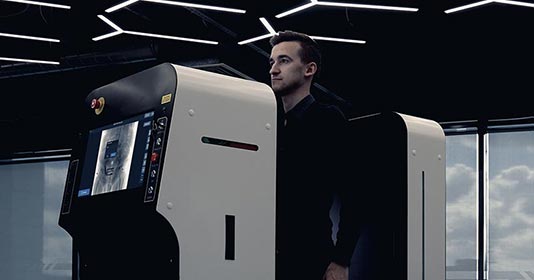
LV STREAM is relevant to metro and urban transit environments because it was designed for high-throughput bag screening in busy public spaces. The system screens up to 1,400 bags per hour and uses A-EYE-powered automatic threat detection to support rapid classification of bags as clear or potential threat.
For transit operators, this can help reduce dependence on slow manual bag searches and support staff in managing selected screening points. It can also integrate into a wider security environment alongside CCTV, access control, command systems and other screening technologies.
Keeping Passengers Moving
Passenger acceptance matters. If a security process is too slow or confusing, people may avoid it, gather around it or challenge staff. A successful transit screening model should be simple to understand: place the bag, keep moving, follow staff instructions only if an alert is raised.
This is where automatic threat detection becomes useful. It helps remove some of the delay associated with continuous manual image review, while still supporting a controlled response to flagged items. Staff remain essential, but their role shifts towards supervision, communication and escalation.
Martyn’s Law and Transport-Adjacent Public Spaces
Martyn’s Law is primarily framed around publicly accessible premises and events. For transport-adjacent environments, the broader principle still matters: public spaces with high footfall should understand vulnerabilities, movement patterns and protective measures. Metro stations, transit interchanges and connected public concourses often bring large numbers of people into predictable spaces.
A screening solution should therefore be considered as part of wider protective security planning, not as a standalone measure.
Conclusion
Metro and urban transit hub security must respect the fact that the flow never stops. The most suitable measures are those that can support passenger movement while adding a practical layer of protection when screening is required.
LV STREAM gives transit security teams a fast, A-EYE-supported bag screening capability that can be used in selected, risk-based scenarios without automatically turning a busy entrance into a bottleneck.
Related news

Shopping Centre and Retail Destination Security: Managing Public Safety Without Damaging Footfall
Shopping centres need security measures that protect visitors without disrupting the open movement retail depends on. Flexible, high-throughput bag screening can support public safety while preserving footfall.
LV STREAM Wins Market Disruptor of the Year 2026
LV STREAM has been named Market Disruptor of the Year 2026, marking its sixth award in the past year and reinforcing its role in transforming high-footfall bag screening with faster, more efficient and less intrusive security.