

Main website:
Other company websites:
Choose website



Body X-ray scanner in the UK
Advanced personal screening for modern security environments
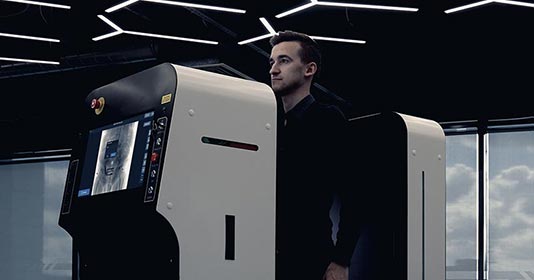
At LINEV Systems, we design and manufacture advanced X-ray body scanner solutions that address the growing demands of today’s security landscape. As threats become more concealed and sophisticated, organisations across the UK are increasingly relying on body scanning technologies to strengthen protection without compromising efficiency or privacy.
The global full-body scanner market continues to expand, driven by advancements in AI, automation, and high-resolution imaging. In response, next-generation body scanning systems now deliver faster screening, higher detection accuracy, and improved operational consistency for security professionals.
As a trusted provider of X-ray inspection technologies, LINEV Systems delivers a reliable body scanner for security applications tailored to real-world risks and regulatory requirements.
Comprehensive body X-ray scanners from the manufacturer

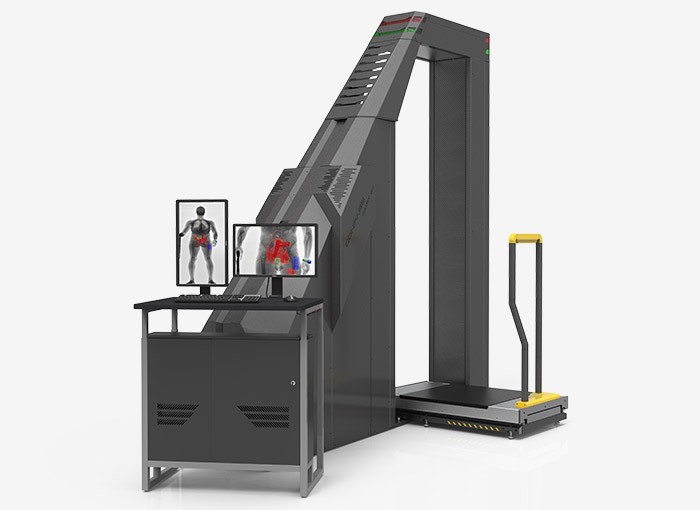
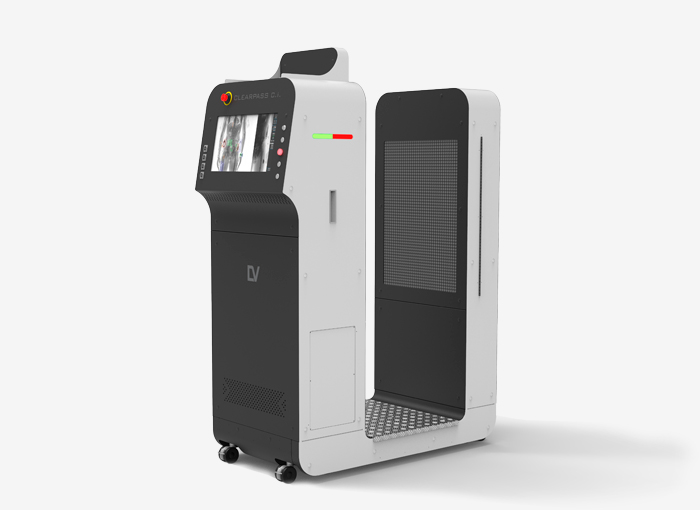
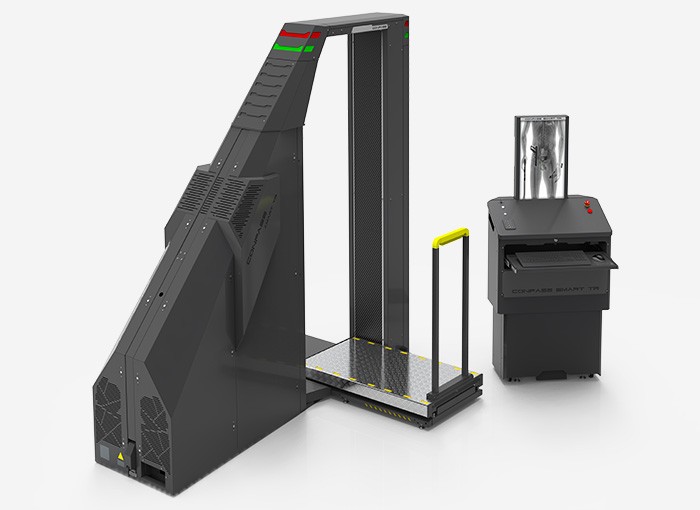
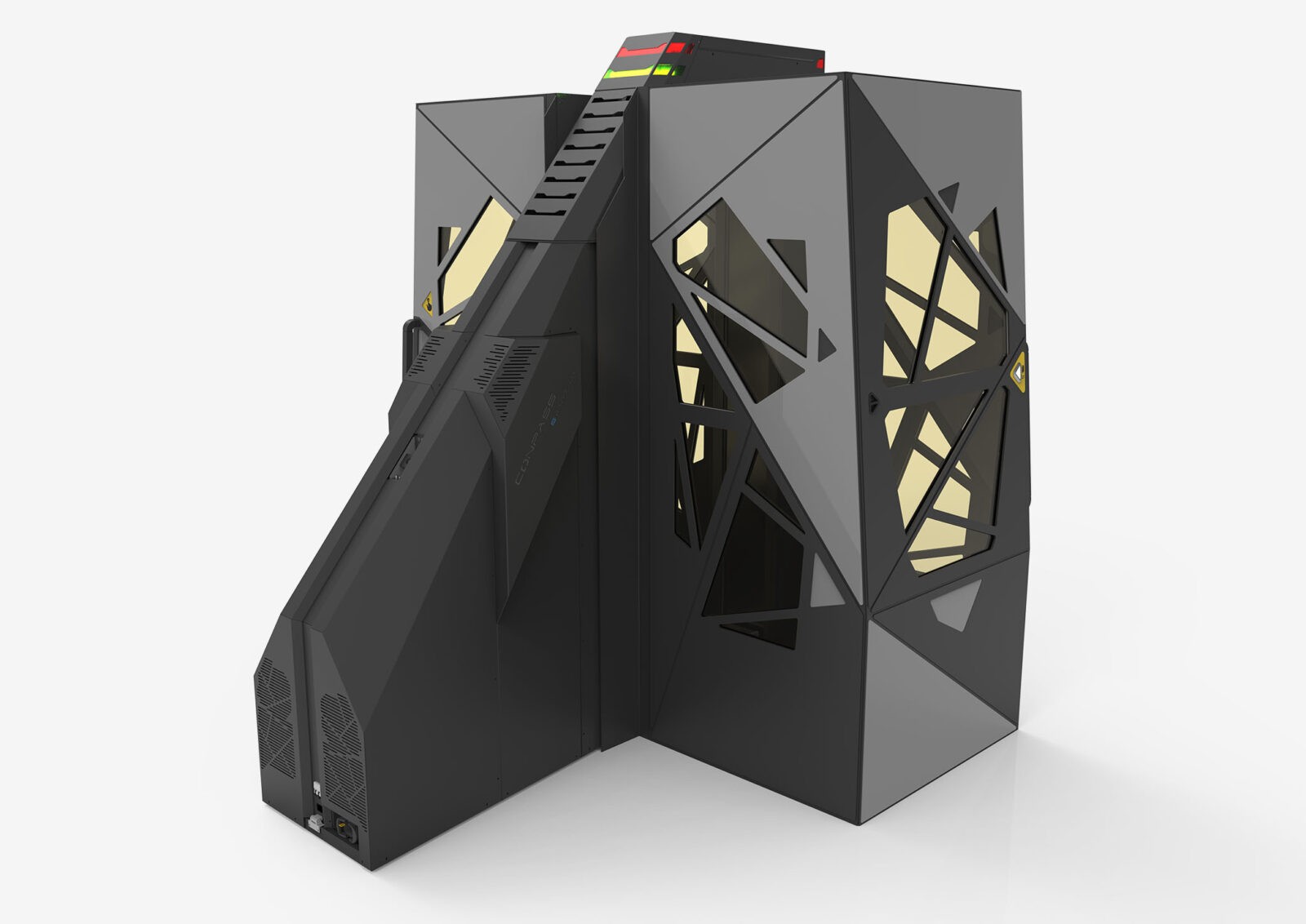
X-ray body scanning for modern threats
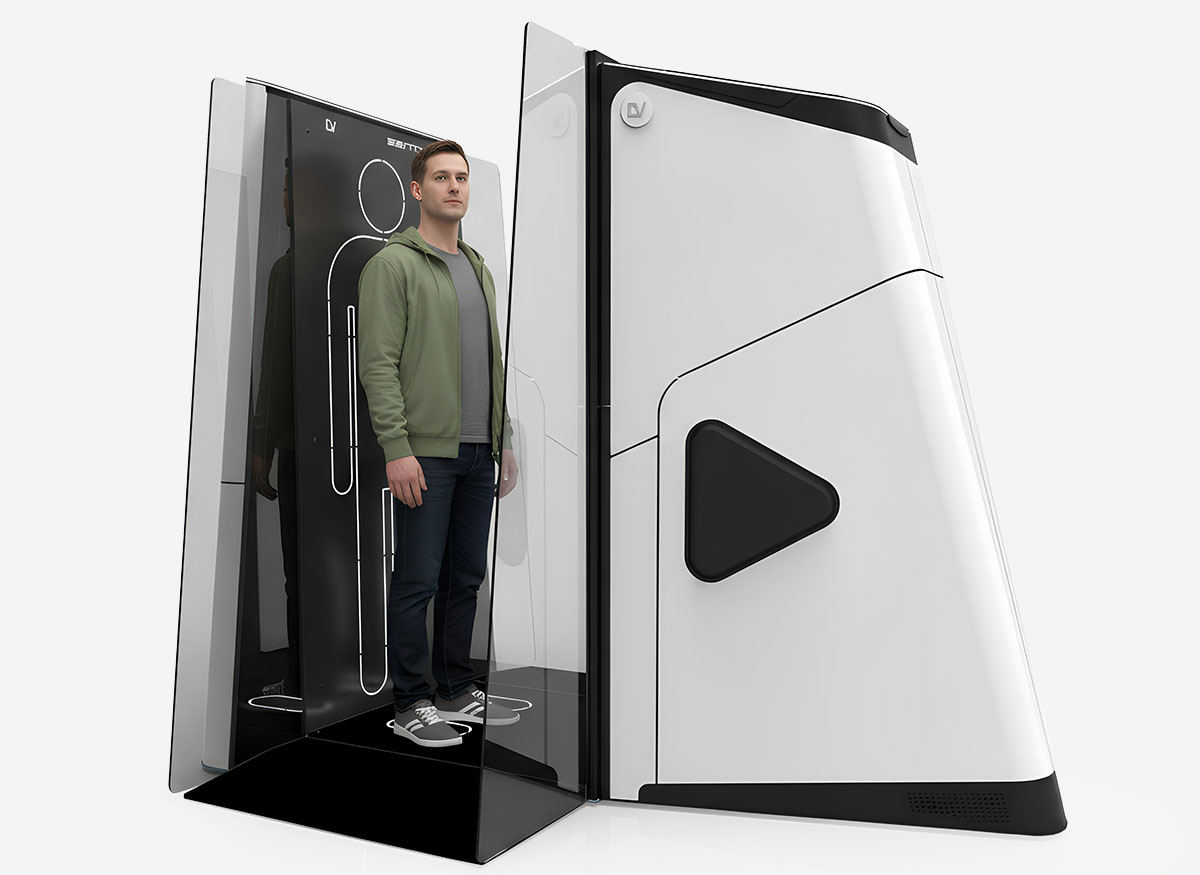
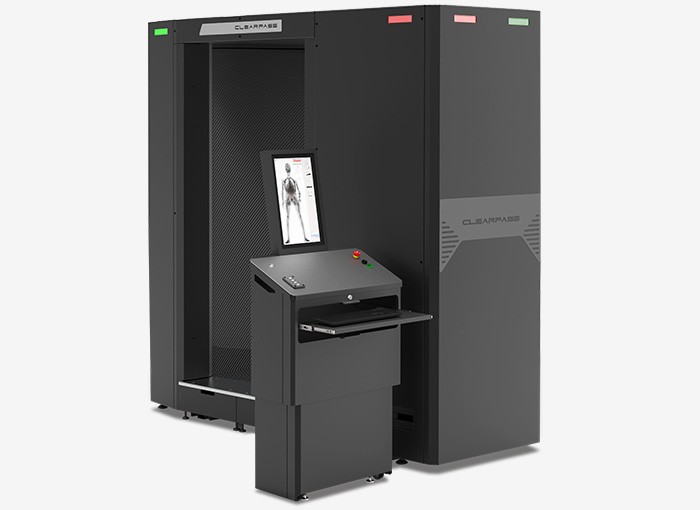
Our portfolio of body security scanner solutions combines precision imaging with intelligent software and privacy-oriented design. Enhanced by AI-based analytics, LINEV Systems body scanners provide:
- Automated detection of concealed objects on the body;
- Fast and consistent threat recognition;
- High-throughput screening in busy checkpoints;
- Reduced dependency on manual searches;
- Objective and repeatable screening results.
These systems are designed to mitigate risks associated with concealed weapons, explosive devices, contraband, and prohibited items across a wide range of security-sensitive environments.
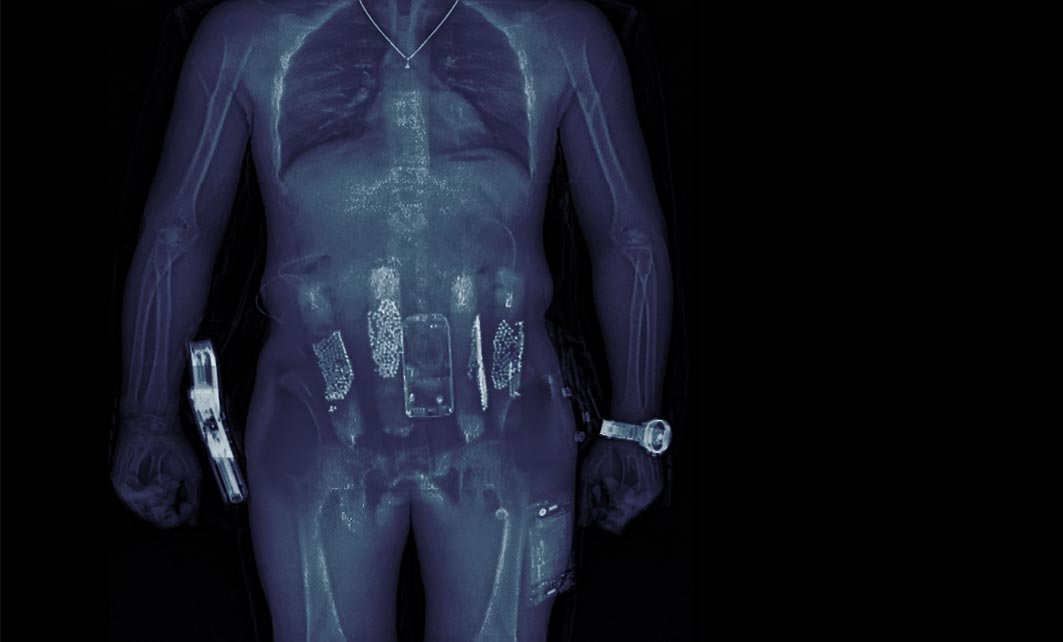
Benefits of modern body security scanners

Reliable detection of concealed items
A modern X-ray body scanner can identify metallic and non-metallic objects hidden under clothing or attached to the body, including firearms, knives, explosive components, and illegal substances.

Non-contact security screening
Body scanning provides a safe, non-intrusive inspection method that minimises physical interaction while maintaining strict security control—an essential requirement for contemporary body scanners for security deployments.

High-speed passenger flow
Advanced body security scanners support rapid screening, helping organisations maintain throughput in airports, transport hubs, and large public venues without creating bottlenecks.

Improved operational efficiency
AI-assisted threat recognition reduces false alarms and operator fatigue, allowing security teams to focus on verified risks rather than manual checks.

Consistent detection accuracy
Compared to traditional screening methods, body X-ray scanners deliver more consistent results through automated analysis and material differentiation.
How to choose the right body scanner for security
01
Application and environment
Determine where the body security scanner will be deployed—airports, correctional facilities, government buildings, or critical infrastructure sites. Each environment requires different scanning capabilities.
02
Throughput and performance
Evaluate the number of individuals screened per hour. High-traffic locations require systems optimised for speed and continuous operation.
03
Imaging technology and software
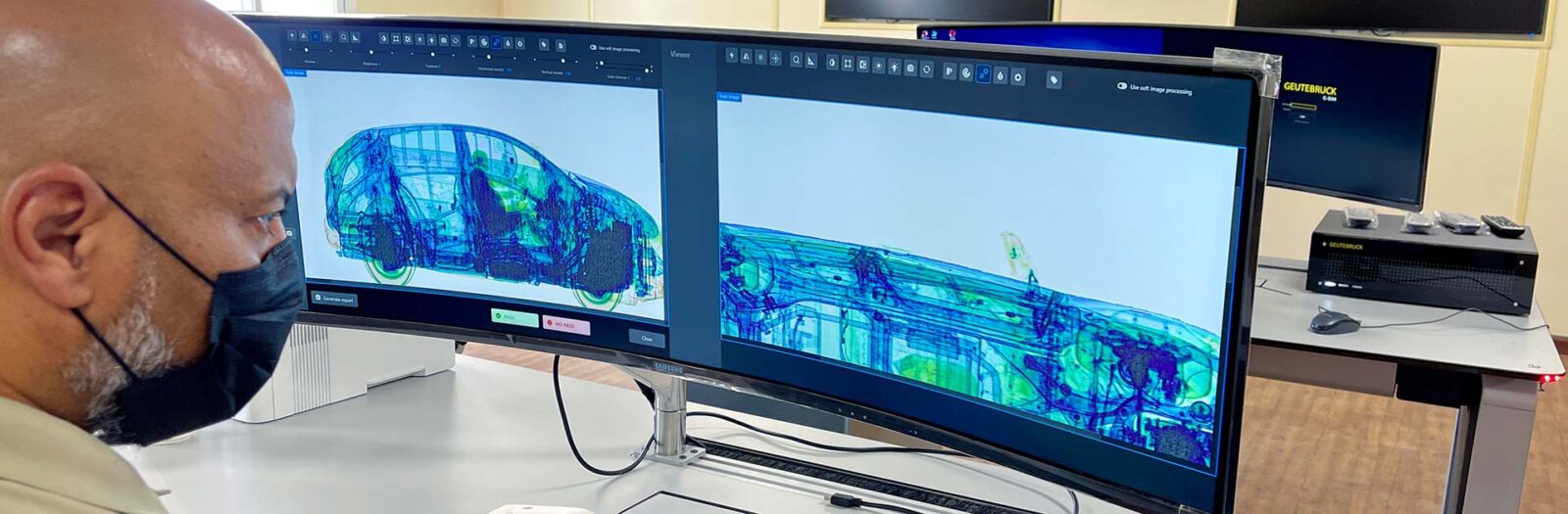
High-resolution imaging, AI-driven threat detection, and automated alerts significantly enhance system performance in the evolving full body scanner market.
04
Privacy and compliance
Modern x-ray body scanners should include privacy protection features such as generic human outlines and automatic threat highlighting to meet UK and international standards.
05
Usability and support
An intuitive interface, combined with long-term servicing and software updates, ensures reliable day-to-day operation and system longevity.
Where body scanner systems are used
Body scanner for security solutions play a critical role across multiple sectors:
Transport hubs
Used to screen passengers efficiently while maintaining high security standards.
Government and high-security facilities
Deployed to inspect visitors, staff, and contractors for concealed threats.
Correctional facilities
Body security scanners help prevent the introduction of contraband into controlled environments.
Military and defence sites
Used to control access and reduce insider threats at restricted installations.
Critical infrastructure
Applied at energy facilities, data centres, and industrial sites to enhance perimeter and access control.
Public events and venues
Support safe entry screening at stadiums, arenas, and high-profile events.
These deployments reflect the growing adoption of x-ray body scanners across the UK and internationally, aligned with trends in the global full body scanner market.
FAQ about body scanners
A modern body security scanner can identify:
- Firearms and bladed weapons;
- Explosive components and devices;
- Metallic and non-metallic concealed items;
- Drugs and prohibited substances;
- Objects hidden under clothing or footwear.
Yes. When operated correctly, x-ray body scanners comply with international radiation safety standards, ensuring exposure levels remain well below regulated limits.
The system emits controlled X-ray radiation that interacts with objects on the body. Sensors analyse absorption patterns and generate images or automated threat alerts for operator review.
Pricing depends on:
- Scanner type and imaging technology
- Throughput capacity and automation level
- AI-assisted detection features
- Privacy and compliance functionality
- Installation, integration, and long-term support