

Main website:
Other company websites:
Choose website



AI X-ray security machines in the UK
Advanced personal screening for modern security environments
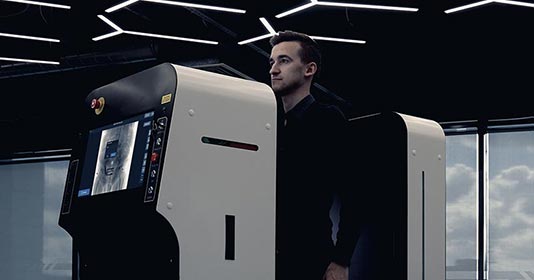
At LINEV Systems, we design and manufacture advanced X-ray body scanner solutions that address the growing demands of today’s security landscape. As threats become more concealed and sophisticated, organisations across the UK are increasingly relying on body scanning technologies to strengthen protection without compromising efficiency or privacy.
The global full-body scanner market continues to expand, driven by advancements in AI, automation, and high-resolution imaging. In response, next-generation body scanning systems now deliver faster screening, higher detection accuracy, and improved operational consistency for security professionals.
As a trusted provider of X-ray inspection technologies, LINEV Systems delivers a reliable body scanner for security applications tailored to real-world risks and regulatory requirements.
Comprehensive AI-powered security solutions from the manufacturer
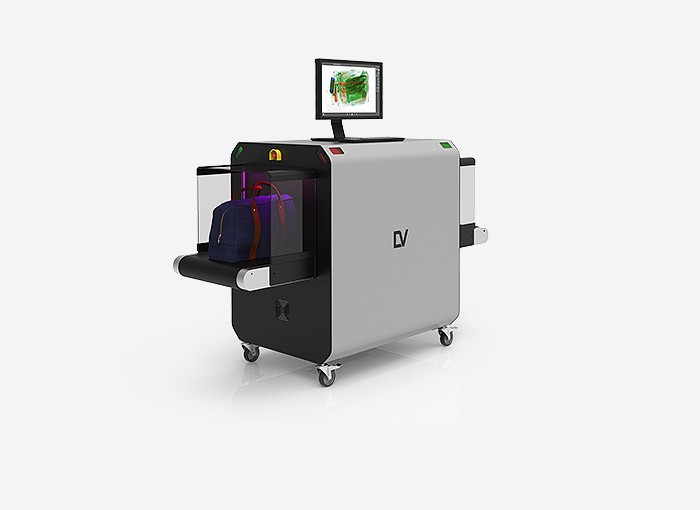
Intelligent X-ray inspection systems for modern threats
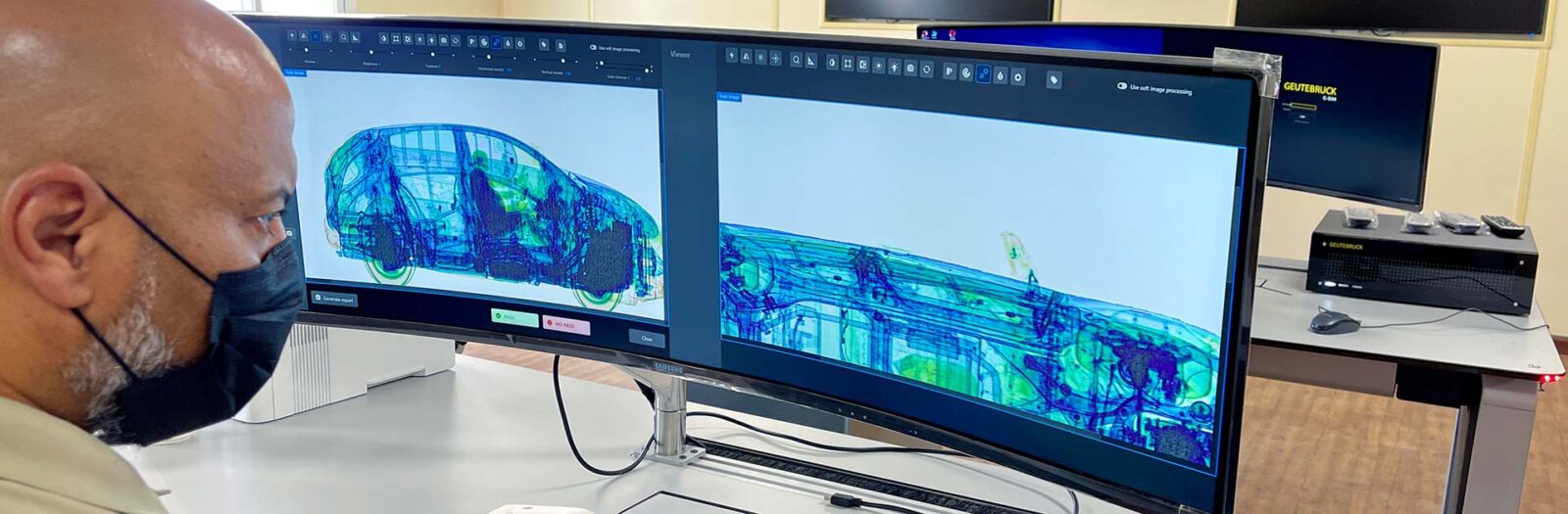
Our AI-enhanced X-ray security systems combine high-resolution imaging with proprietary threat detection algorithms and flexible system architecture. Integrated Artificial Intelligence enables LINEV Systems equipment to deliver:
- Automated real-time image analysis;
- Automatic threat recognition and highlighting;
- Reduced false alarm rates;
- High-throughput screening performance;
- Enhanced operator decision support.
These intelligent systems safeguard airports, seaports, government buildings, critical infrastructure, event venues and border checkpoints against contemporary risks such as terrorism, illegal weapons and drug trafficking.
As an established security equipment manufacturer in the UK, LINEV Systems continues to advance AI-driven screening performance and operational reliability.

Benefits of AI-powered X-ray security machines

Automated threat detection
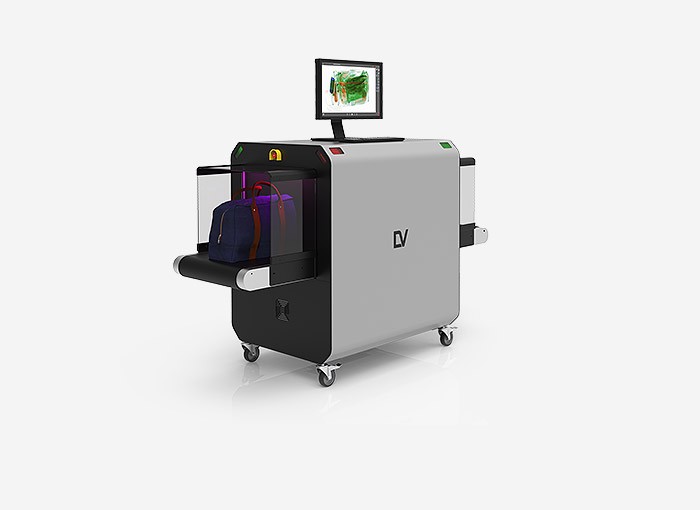
AI X-ray scanners automatically identify concealed firearms, knives, explosives, narcotics, electronic components and other prohibited items hidden in baggage, parcels, cargo or on the human body, highlighting suspicious areas for operator verification.

Non-Invasive inspection
AI-enhanced X-ray screening provides a safe and non-intrusive alternative to physical searches while maintaining strict and consistent security control.

Time-Saving
High-throughput X-ray systems can process multiple objects simultaneously, significantly reducing waiting times in high-traffic environments such as airports, transport hubs, logistics facilities, and large commercial buildings.

Faster throughput
Automated detection and intelligent image processing significantly reduce inspection time, allowing high volumes of passengers, staff and goods to be screened efficiently in busy environments.

Operational efficiency
By assisting operators and minimising unnecessary secondary checks, AI-powered systems reduce staffing pressure and optimise long-term operational costs.
Enhanced accuracy and consistency
Machine learning algorithms support more reliable identification of suspicious items, reducing human error and delivering consistent detection performance regardless of operator experience level.
As one of the recognised AI-driven security technology providers in the UK, LINEV Systems develops solutions trusted for precision, innovation and scalability worldwide.
How to choose the right AI X-ray security solution
When selecting AI-enabled X-ray security equipment for your organisation, consider the following:
01
Application
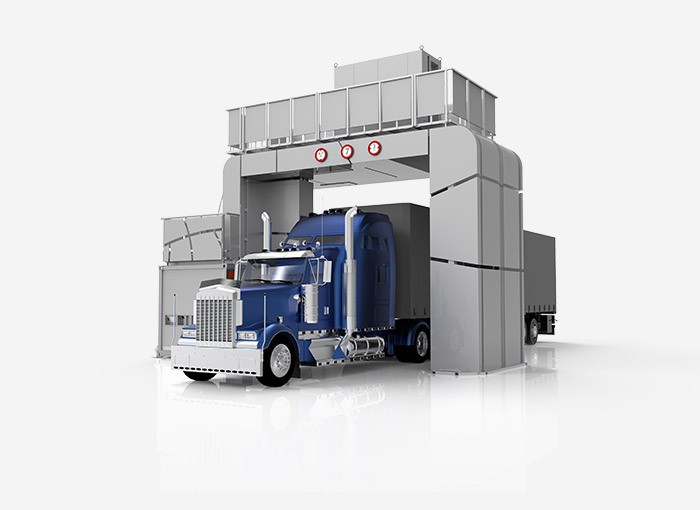
Determine whether you need screening for people, baggage, parcels, cargo or vehicles. AI algorithms can be configured to address specific threat profiles and operational environments.
02
Throughput requirements
Estimate the expected number of individuals or items to be inspected per hour and ensure the system supports the required flow without compromising detection quality.
03
AI software capabilities
Evaluate automatic threat recognition features, material discrimination, object classification and intelligent operator-assist tools. Advanced AI functionality directly influences detection accuracy.
04
Ease of use
An intuitive interface and clear visual threat indication improve operator performance and reduce training requirements.
05
Maintenance and system monitoring
Integrated telemetry, predictive maintenance alerts and software updates are essential for maintaining long-term system reliability.
06
Future scalability
Modern AI systems should support software upgrades and algorithm enhancements to adapt to emerging threats and regulatory developments in the UK.
Popular points of use for AI X-ray security screening
AI-powered X-ray security systems are deployed across multiple sectors to strengthen public safety and prevent illegal activity.
Prisons & Detention Centres
AI assists in detecting drugs, blades, miniature electronics and internally concealed contraband.
Ports & Border Crossings
Automated analysis improves detection of narcotics, weapons and smuggled goods within vehicles and cargo.
Government Buildings & Military Sites
AI-enhanced screening supports secure access control for staff, contractors and visitors.
Transport Hubs
Underground and railway, bus stations benefit from faster baggage processing and automated threat highlighting during peak traffic.
Museums & Cultural Institutions
Intelligent inspection protects artefacts and collections by preventing the introduction of hazardous or prohibited items.
Event Venues & Stadiums
Intelligent inspection protects artefacts and collections by preventing the introduction of hazardous or prohibited items.
These applications demonstrate the growing importance of Artificial Intelligence in X-ray security systems across the UK and internationally, where each deployment is configured to meet specific regulatory and operational standards.
FAQ about AI X-ray security machines
AI-enabled systems can automatically identify firearms, knives, explosives, narcotics, smuggled currency, contraband goods and concealed electronic components.
Yes. AI functionality enhances image analysis but does not alter radiation output. Systems operate in compliance with recognised international radiation safety standards, including ANSI/HPS N43.17-2009 and UL 61010-1.
The system projects X-rays through an object and captures absorption data to generate a detailed image. AI algorithms then analyse the image in real time, automatically detecting and highlighting potential threats for operator review. Some models incorporate CT technology for advanced 3D inspection.
Pricing depends on:
- System type (people, baggage, cargo, vehicle);
- Scanning capacity and throughput level;
- AI software capabilities and algorithm configuration;
- Integration and installation complexity;
- Maintenance, monitoring and support services.
Artificial Intelligence transforms traditional screening into proactive, intelligent security — delivering faster decisions, improved detection accuracy and greater operational resilience.
AI improves X-ray screening by automatically analysing images and helping operators identify potentially dangerous or prohibited items faster.
During inspection, AI algorithms can recognise specific object patterns and highlight suspicious areas within an X-ray image. For example, the system may identify shapes associated with firearms, knives, explosive components, electronic devices or concealed objects inside baggage and parcels.
In high-volume environments such as airports, prisons and customs checkpoints, AI reduces the time operators spend searching through complex images. Instead of manually reviewing every area with the same level of attention, operators can focus on objects that the system has identified as requiring additional assessment.
AI-assisted systems can also support more consistent screening by reducing the impact of operator fatigue, experience differences and long periods of image analysis.
No. AI X-ray systems are designed to support security operators, not replace them.
Artificial intelligence analyses X-ray images, identifies potential threats and highlights suspicious objects, but trained personnel remain responsible for reviewing alarms and making final security decisions.
For example, if an AI algorithm detects an object that resembles a weapon inside a bag, the system can mark the area of interest and provide additional information to the operator. The operator then evaluates the image, considers the surrounding items and decides whether further inspection is required.
This combination of AI assistance and human expertise provides a more reliable screening process than either technology or manual inspection alone.
AI X-ray scanners use automated image analysis and threat recognition algorithms to help security operators identify prohibited and dangerous items during screening.
Modern AI-powered X-ray systems can support automated weapons detection X-ray screening by recognising suspicious objects such as:
- Firearms and ammunition;
- Knives and other sharp weapons;
- Explosive components;
- Narcotics and suspicious packages;
- Concealed electronic devices;
- Other prohibited items hidden in baggage, parcels, cargo or personal belongings.
The system analyses X-ray images by identifying object shapes, density patterns and visual characteristics associated with known threat categories. When a potentially dangerous item is detected, AI can highlight the area of interest, allowing the operator to review the image and decide whether further inspection is required.
AI-assisted detection improves screening speed and consistency, especially in high-throughput environments such as airports, transport hubs, government facilities and critical infrastructure sites. However, final assessment remains with trained security personnel who combine AI recommendations with professional judgement.
Yes. AI-assisted X-ray systems can reduce operator workload by automating parts of the image review process. In traditional X-ray screening, operators must manually examine every image and identify potential threats based on experience and attention levels. During busy periods, such as airport peak hours or high-volume parcel screening, this can increase workload and the risk of missed items. AI systems help by automatically highlighting suspicious areas, classifying objects and prioritising images that require closer attention. This allows operators to spend less time reviewing normal items and more time investigating potential threats. As a result, organisations can improve screening efficiency, maintain security standards during periods of high traffic and optimise the use of trained security personnel.