

Main website:
Other company websites:
Choose website



Upgrading an Outdated Body Scanner: When Should UK Security Teams Replace Their X-ray Security Scanner?


26 October 2026
Upgrading an Outdated Body Scanner: When Should UK Security Teams Replace Their X-ray Security Scanner?
Many companies continue using body scanners long after their expected service life. As long as the system produces images and remains operational, replacing it may seem unnecessary. However, the real question is no longer whether the scanner still works, but whether it continues to meet today’s operational, security and financial requirements.
Across UK prisons, border control facilities, courts and other high-security environments, ageing X-ray body scanners can gradually become a source of hidden costs. Maintenance becomes more frequent, spare parts are harder to obtain, software support may be limited, and legacy platforms often cannot take advantage of modern AI-assisted image analysis or the latest cybersecurity improvements.
As screening requirements continue to evolve, companies increasingly ask the same question: should we replace our current full-body scanner, or continue investing in maintenance?
The answer depends on more than the scanner’s age. It requires evaluating reliability, operational performance, long-term support and the total cost of ownership rather than maintenance costs alone.
Is It Time to Upgrade or Replace?
Replacing a body scanner is not always the right first step. If the system is fully supported, meets operational requirements and can be modernised through software updates or component replacement, extending its service life may be the most cost-effective option.
However, there comes a point when continued investment delivers diminishing returns. Rising maintenance costs, increasing downtime, limited spare parts availability and outdated hardware can all affect daily operations. At the same time, many legacy systems cannot support today’s AI-assisted image analysis, advanced visualisation or evolving cybersecurity requirements.
When these issues begin to impact reliability, efficiency and long-term operating costs, replacing the body scanner becomes a practical business decision rather than simply a technology upgrade.
The Hidden Cost of Keeping Legacy Equipment
Maintenance is only one part of the cost of operating an ageing X-ray security scanner. Every unexpected service interruption can reduce checkpoint capacity, increase manual searches and place additional pressure on security staff.
Less obvious costs accumulate over time. Older systems often require longer image reviews, are more difficult to integrate with modern IT infrastructure and may no longer receive software updates or security support. While the scanner may still operate, declining efficiency and recurring maintenance can outweigh the cost of investing in a modern replacement.
Before deciding to replace an X-ray security scanner, companies should look beyond repair bills and consider the total cost of ownership, including reliability, software support, operational efficiency, serviceability and future technology readiness.
What to Look for in a Modern Replacement
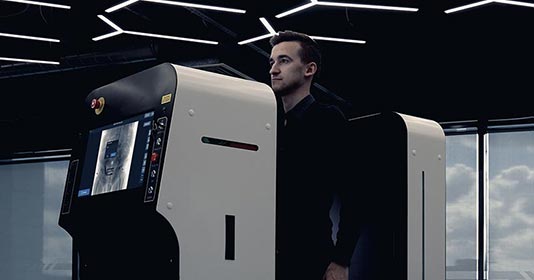
Today’s body scanners offer far more than improved image quality. Modern systems combine advanced imaging with AI-assisted software, intuitive operator tools and remote diagnostics to support faster, more consistent screening.
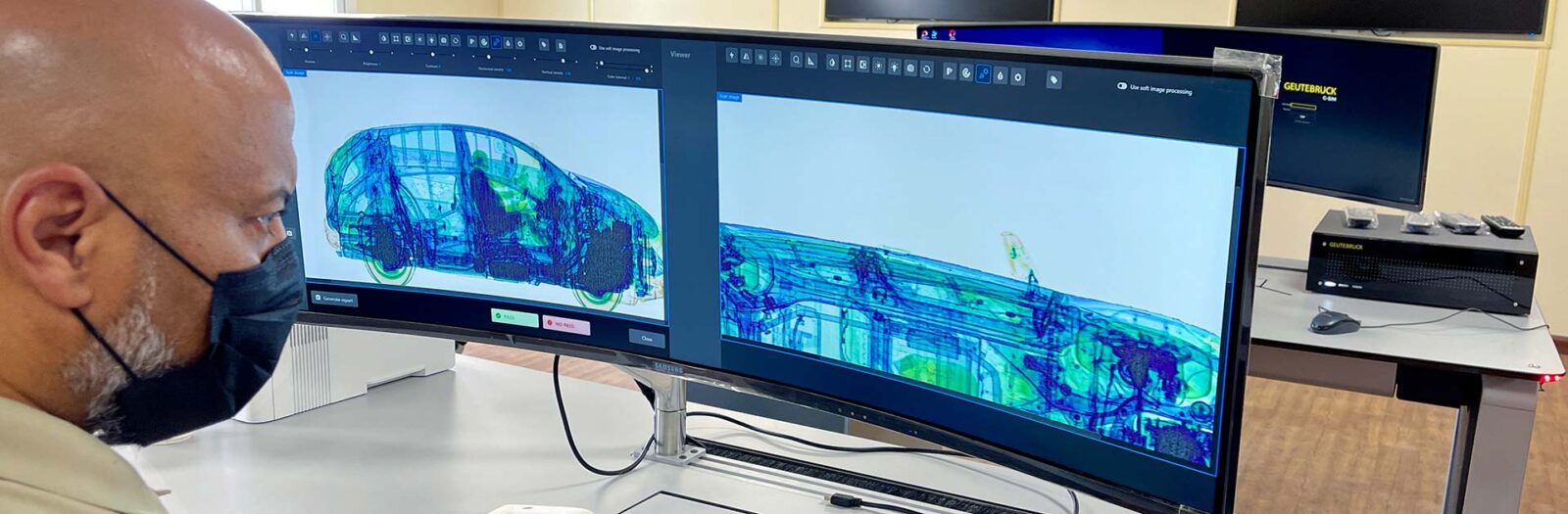
For UK correctional facilities, detecting internally concealed narcotics remains a significant challenge. AI-powered applications can assist operators by highlighting suspicious areas, improving consistency and reducing the time required to review X-ray images. Other screening environments may benefit from automated detection of weapons, electronic devices and additional prohibited items, helping security teams maintain throughput without compromising inspection quality.
When companies decide to replace our current full-body scanner, software capability should be considered alongside hardware performance.
Choosing the Right Body Scanner Starts with Understanding Your Risks
Replacing a body scanner is not simply about selecting newer equipment. The right solution depends on how, where and why the system will be used.


A correctional facility focused on detecting internally concealed contraband faces very different challenges from a court building screening visitors or a border checkpoint processing thousands of people every day. Throughput, available installation space, detection priorities and operational procedures all influence which scanner will deliver the best long-term value.
Modern body scanners are available in a range of configurations, from compact systems designed for facilities with limited space to high-throughput platforms capable of supporting continuous screening operations. Some companies prioritise rapid passenger flow, while others require enhanced image analysis and AI-assisted tools to help detect sophisticated concealment methods.
For this reason, technical specifications alone rarely provide enough information to make the right decision. The most effective replacement is the one that integrates naturally into existing workflows, supports operators in their daily tasks and remains adaptable as operational requirements continue to evolve.
Investing in a Platform That Will Not Become Obsolete
When companies replace an ageing X-ray security scanner, they are investing in technology expected to remain operational for many years. Looking only at today’s performance can result in another costly replacement sooner than expected.
A future-ready platform should offer ongoing software development, cybersecurity updates, remote diagnostics and long-term availability of spare parts and technical support. Just as importantly, it should provide the processing capability needed to support new AI-assisted applications and imaging technologies as they become available.
Choosing equipment with a clear upgrade path helps companies extend the value of their investment while maintaining high detection performance and reducing operational disruption over the scanner’s lifecycle.
Working with LINEV Systems UK
Replacing a body scanner involves more than selecting a new model. Every project requires careful assessment of operational requirements, available space, screening procedures and long-term maintenance considerations.
LINEV Systems UK works with correctional facilities, border control agencies and other high-security companies to help identify the most appropriate screening solution for each environment. Rather than recommending a standard configuration, we evaluate factors such as daily throughput, detection objectives, facility layout and future expansion plans to ensure the selected system supports both current and long-term operational needs.
Our support extends beyond equipment supply. From initial consultation and system selection to installation, operator training and ongoing technical assistance, we help companies implement body screening solutions that remain reliable throughout their service life.
Whether your objective is to replace your current full-body scanner, modernise an existing checkpoint or plan for future security requirements, our team can help you identify a solution that delivers lasting operational value.