

Main website:
Other company websites:
Choose website



Bus and Coach Terminal Security: Protecting Waiting Areas, Group Travel and Intercity Passenger Movement
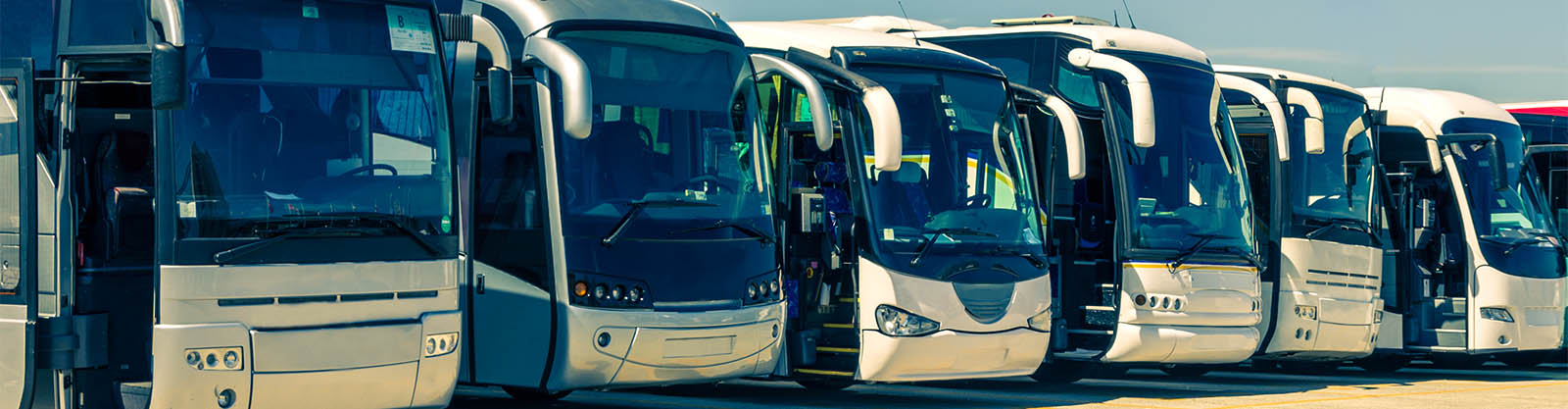


Bus and Coach Terminal Security: Protecting Waiting Areas, Group Travel and Intercity Passenger Movement
Bus and coach terminals combine waiting areas, group travel, passenger bags and boarding flows. Fast, risk-based bag screening can help protect terminal spaces without disrupting journeys.
Bus and Coach Terminal Security: Protecting Waiting Areas, Group Travel and Intercity Passenger Movement
FOCUS: Security screening for bus and coach terminals
APPLICATION: Waiting areas, group travel, boarding flows and intercity passenger movement
SOLUTION: LV STREAM high-throughput A-EYE-powered bag screening
CONTACT: ukinfo@linevsystems.com
Introduction
Bus terminal security has a different security profile from metro stations. Passengers often wait longer, travel in groups, carry bags and gather around departure boards, ticketing areas, coach stands and waiting rooms. Tourist groups, school groups, commuters and intercity travellers may all share the same space.
That combination of bags, waiting areas and groups of people makes terminal security a distinct challenge.
Why Bus and Coach Terminals Need Their Own Approach
A metro station is defined by constant movement. A bus or coach terminal is defined by a mix of movement and waiting. People may arrive early, stand in groups, leave bags close to seating areas or move between retail, toilets, ticket counters and boarding points. During disruptions, queues and waiting times can increase quickly.
This means terminal security has to consider not only entrances, but also gathering points and boarding flows. It must protect passengers without making the terminal harder to use.
The Role of Bag Screening
Because bus and coach passengers commonly carry bags, rucksacks and travel items, bag screening can be an important part of a risk-based security plan. Screening may be used at main entrances, before specific boarding zones, during major events, for high-risk routes, around tourist group departures or when public protection measures are temporarily increased.
The screening process should be fast enough to support boarding schedules and clear enough that passengers understand what is expected. If it becomes slow, queues can shift from the entrance to the waiting area or boarding point.
How LV STREAM Supports Terminal Environments
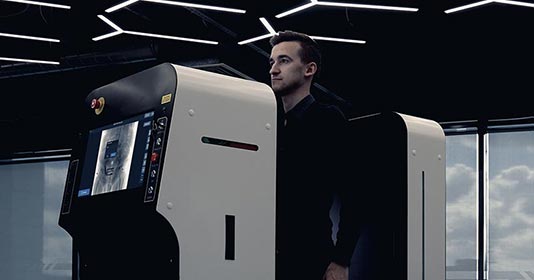
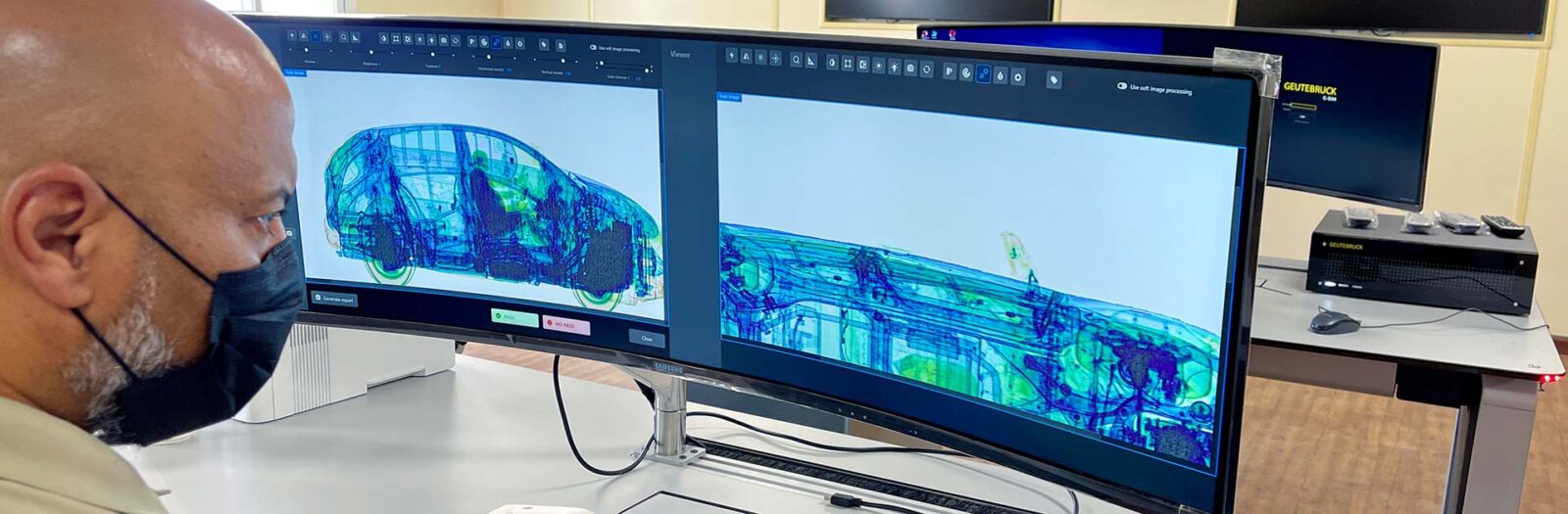
LV STREAM gives bus and coach terminal operators a high-throughput bag screening option that can support selected entrances, temporary checkpoints or dedicated screening areas. The system uses dual-view X-ray imaging and A-EYE-powered automatic threat detection to help staff identify potential threats without relying on slow manual inspection of every bag.
With throughput of up to 1,400 bags per hour, LV STREAM is designed to keep bags moving. For transport terminals, this can help maintain passenger flow while giving staff a clearer process for managing suspicious items.
Protecting Groups and Waiting Areas
Group travel adds another layer of complexity. A school group, tourist group or event crowd may arrive together with multiple bags and limited time before departure. Manual checks can quickly become inconsistent. A faster screening lane can help process groups more predictably, reduce crowding at boarding points and give staff more time to manage communication.
Waiting areas also require careful attention. If passengers gather for long periods, the terminal needs clear visibility, staff awareness and procedures for unattended or suspicious bags. Screening technology does not replace these measures, but it can support a more controlled flow of bags into sensitive areas.
A Practical Part of Wider Public Protection
For bus and coach terminals, protective security should combine several elements: visible staff, CCTV, clear signage, emergency communication, unattended item procedures, access control where appropriate and bag screening when risk assessments require it.
LV STREAM can form part of that wider approach. It is not a standalone answer to every security risk, but it helps solve one of the most practical problems terminal operators face: how to screen bags quickly and consistently without stopping passenger movement.
Conclusion
Bus and coach terminals bring together movement, waiting, bags and groups of people. This makes them different from both stadiums and metro stations. Their screening strategy must reflect that reality.
LV STREAM supports a faster, more consistent and more scalable approach to passenger bag screening, helping terminal operators protect waiting areas, boarding flows and intercity passenger movement while keeping journeys on schedule.
Related news
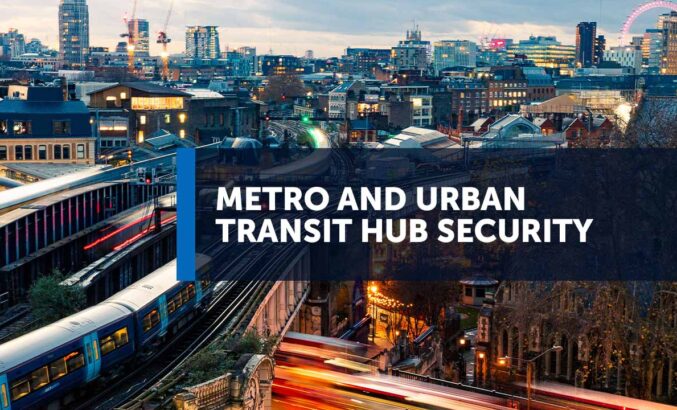
Metro and Urban Transit Hub Security: Supporting Daily Passenger Flow Without Creating New Bottlenecks
Metro stations and urban transit hubs need security measures that support constant passenger movement. Fast, risk-based bag screening can add protection without creating new congestion.

LINEV Systems Wins ADS Security Innovation Award for LV STREAM
LV STREAM has received the ADS Security Innovation Award during the Security & Policing exhibition, recognising its role in advancing AI-powered screening technologies for modern high-footfall environments.