

Main website:
Other company websites:
Choose website




Vehicle and Cargo X-ray Scanner
Drive-through X-ray inspection for modern security challenges
At LINEV Systems, we develop advanced vehicle and cargo X-ray scanner solutions designed to address the growing complexity of security threats at borders, ports, and high-risk facilities. As global trade volumes increase and criminal methods become more sophisticated, non-intrusive inspection of vehicles and cargo has become a critical component of modern security infrastructure.
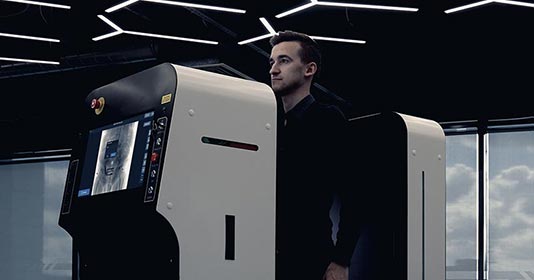
Our Drive-Through Portal (DTP) Series represents an innovative approach to drive-through X-ray security inspection, enabling fast, accurate screening of trucks, buses, cars, minivans, containers, and cargo without disrupting traffic flow.
Built on high-energy X-ray technology, intelligent imaging, and robust system design, LINEV Systems scanners support security agencies in detecting threats while maintaining operational efficiency.
Comprehensive vehicle and cargo X-ray scanners from the manufacturer
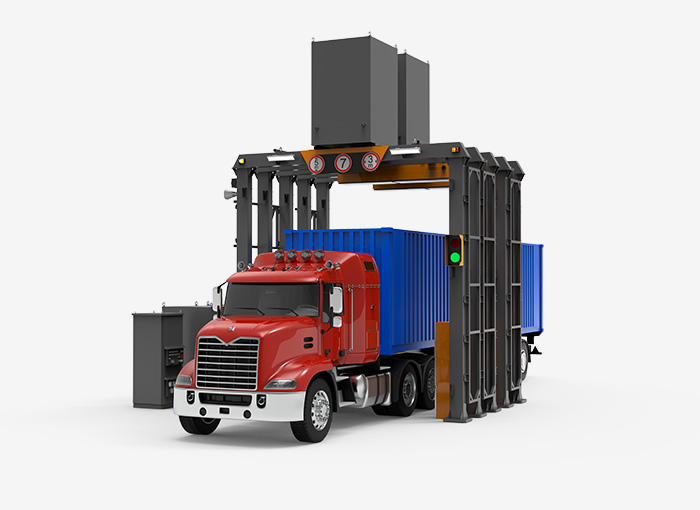

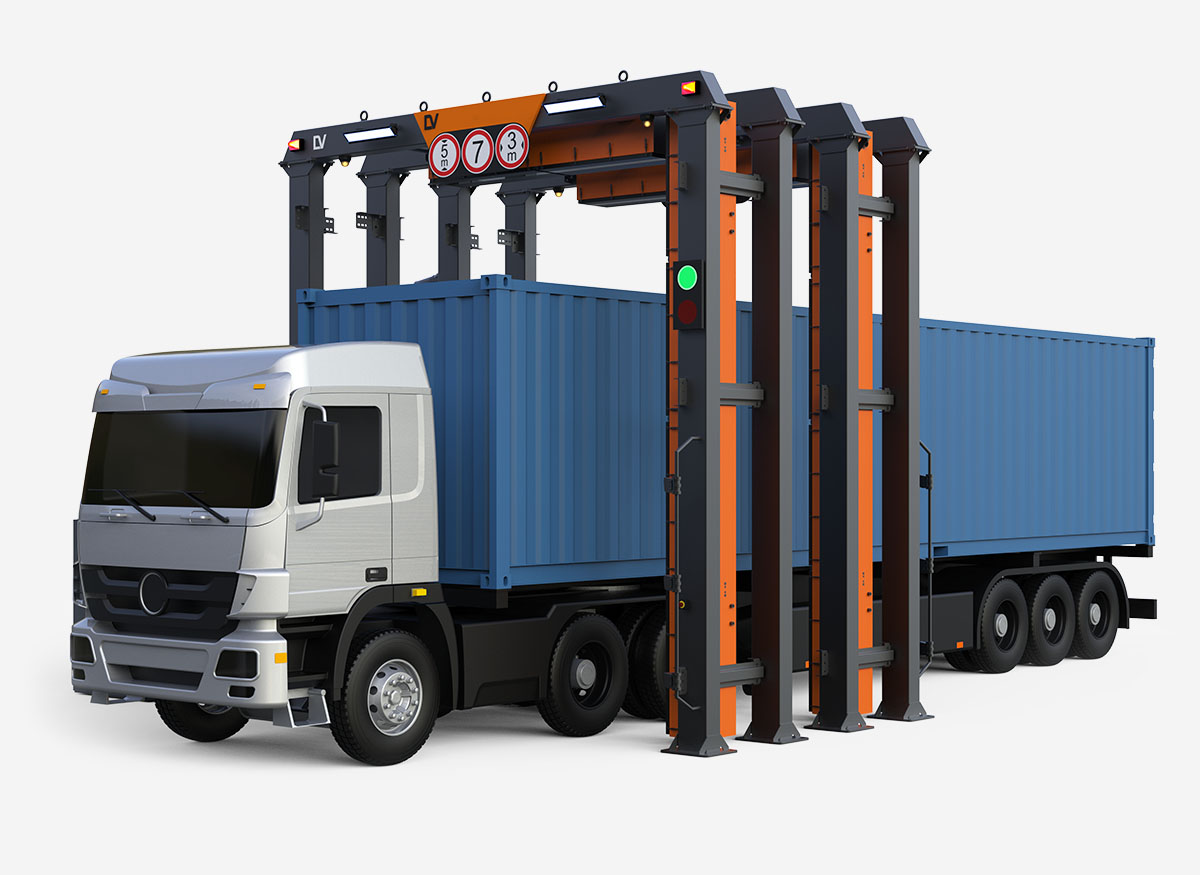
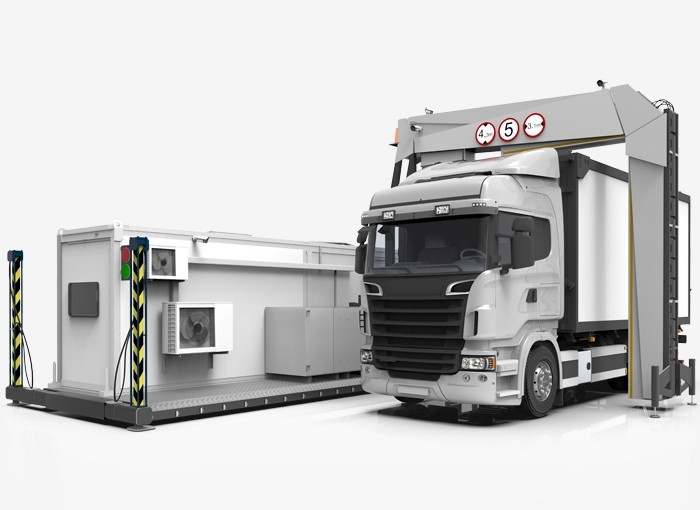
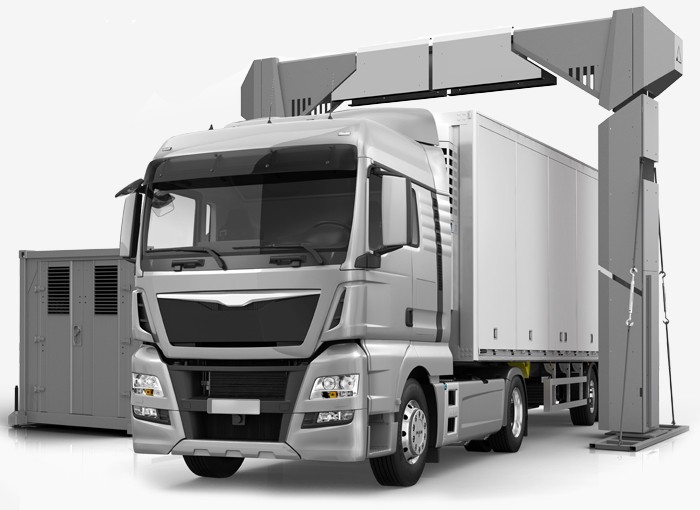
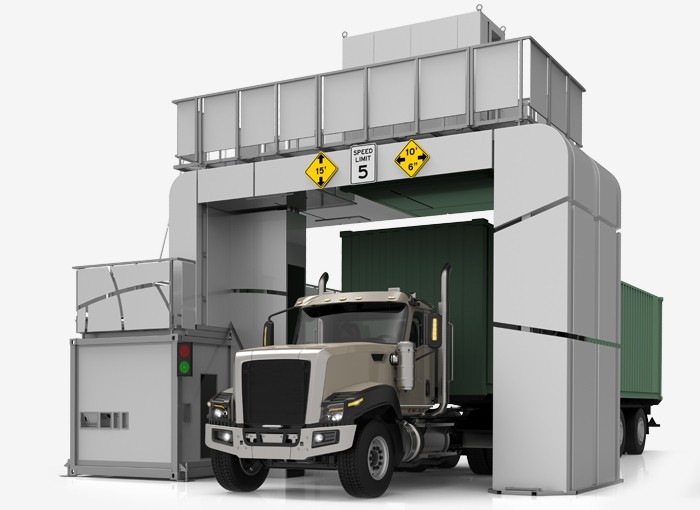
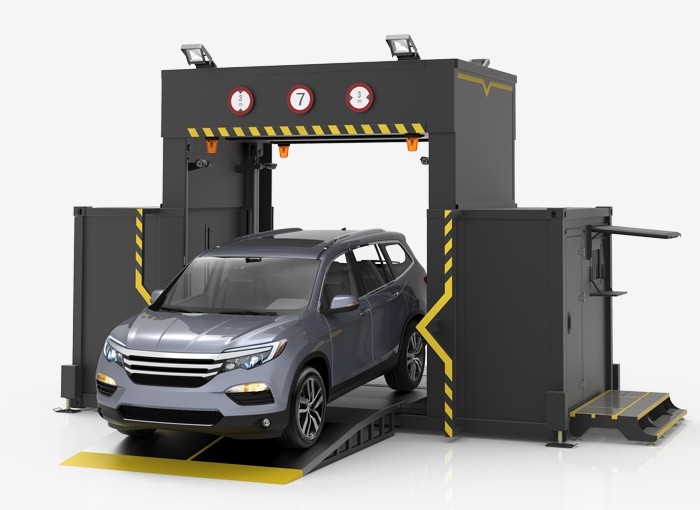
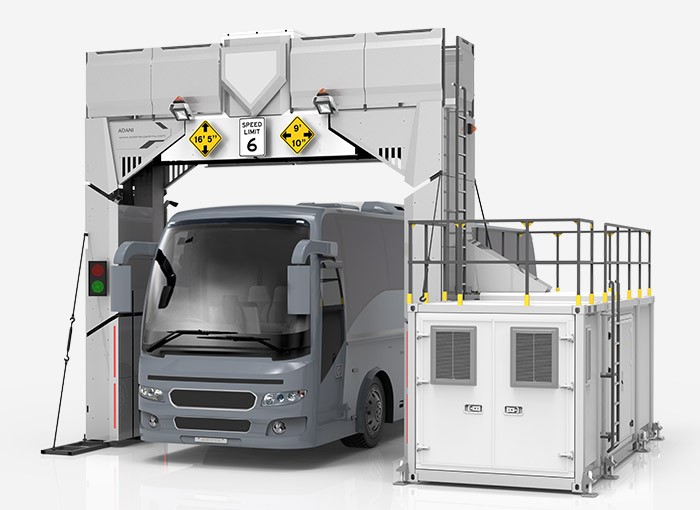
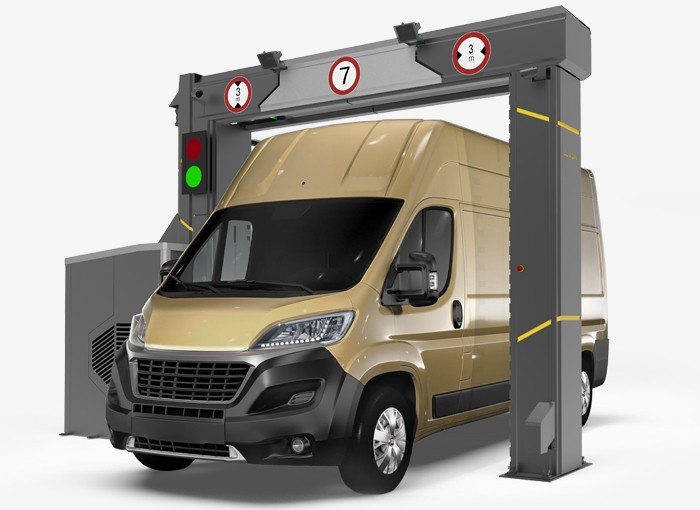
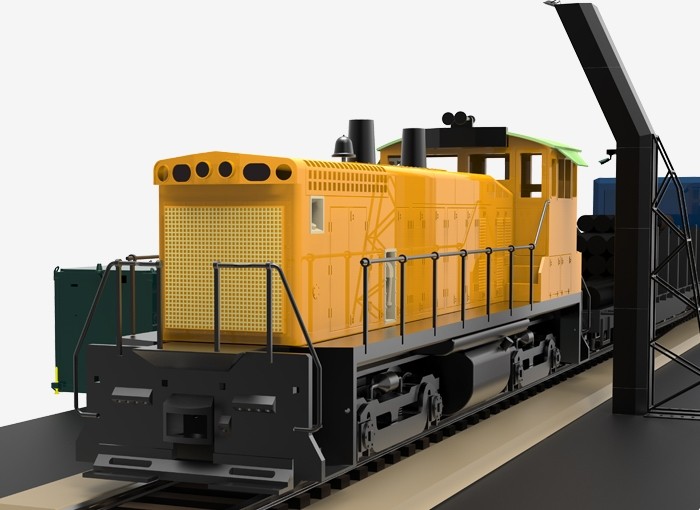
Drive-through X-ray inspection for vehicles and cargo
The DTP Series is engineered for non-intrusive inspection of large and complex objects in motion. Available in single-view or dual-view configurations, systems can be equipped with dual-energy imaging technology to enhance material discrimination and threat identification.
With minimal infrastructure requirements, DTP systems provide state-of-the-art inspection capabilities for:
- Cargo containers mounted on trucks
- Passenger vehicles, cars, and minivans
- Buses and commercial transport
- Mixed cargo and logistics traffic
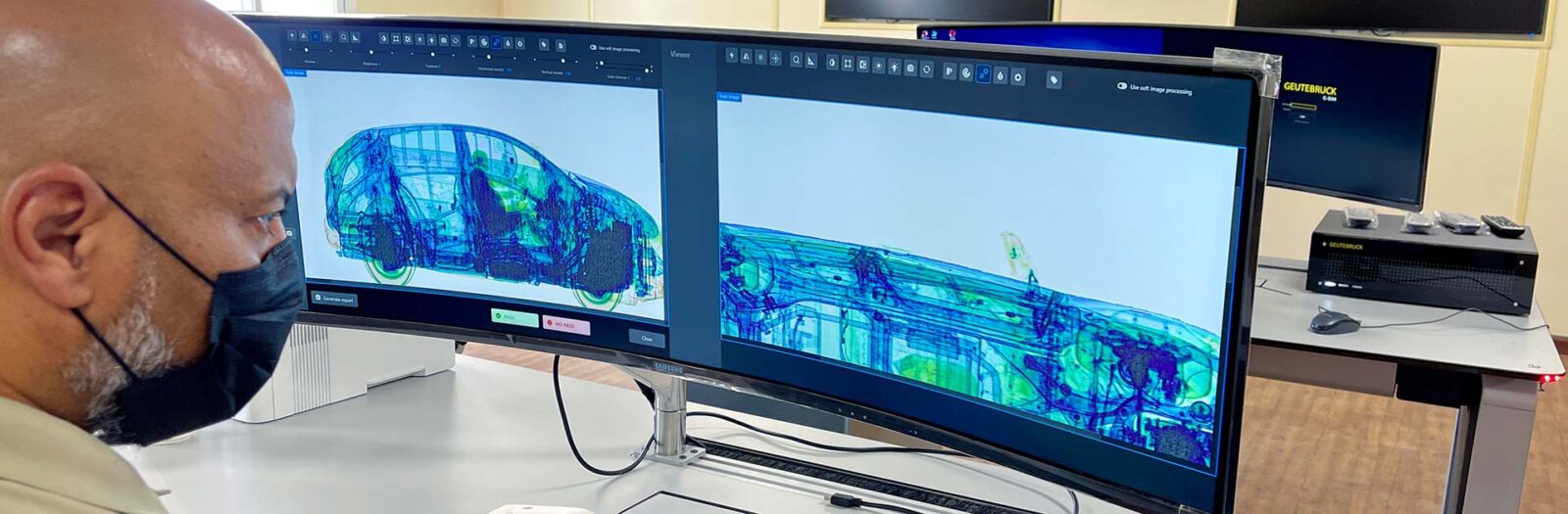
Using advanced X-ray imaging, the system enables rapid detection of contraband, dangerous materials, and other threats, including narcotics, explosives, weapons, and undeclared goods.
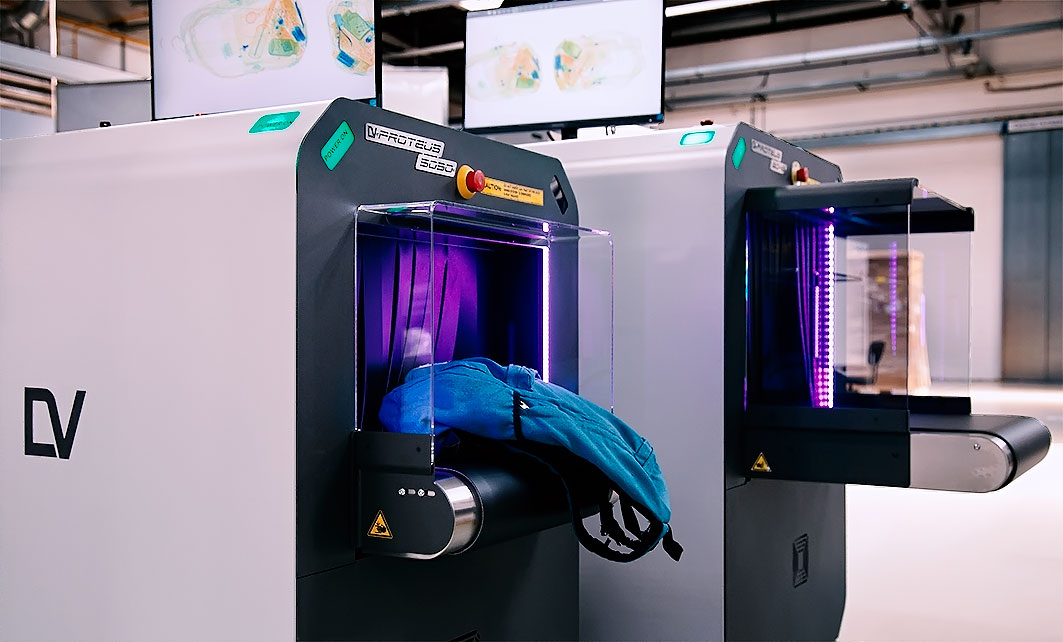
Benefits of cargo and vehicle security scanners

Enhanced security
Vehicle and cargo X-ray scanners play a vital role in detecting and preventing illegal activities such as smuggling, terrorism, human trafficking, and transportation of prohibited goods. They can identify hidden weapons, explosives, narcotics, currency, and unauthorised materials inside vehicles and containers.

High operational efficiency
Drive-through inspection allows vehicles to be scanned quickly and accurately, significantly reducing inspection times. This improves throughput at border checkpoints, ports, and transport hubs while minimising delays and congestion.

Non-intrusive inspection
X-ray screening eliminates the need for unloading cargo or dismantling vehicles, preserving cargo integrity and reducing inspection costs.

Reliable detection accuracy
High-energy imaging and advanced processing algorithms provide consistent, high-quality images, enabling operators to identify anomalies and suspicious objects with confidence.
How to choose the right vehicle and cargo X-ray scanner
01
Imaging capabilities
Select a system that delivers high-resolution images with sufficient penetration to inspect dense cargo and fully loaded vehicles.
02
Throughput requirements
Evaluate traffic volume and choose a scanner capable of maintaining required inspection speeds without creating bottlenecks.
03
Customisation and configuration
Different applications require different system layouts, energy levels, and imaging options. Customisable vehicle and cargo scanners ensure optimal performance for specific operational needs.
04
Safety features
Ensure the system incorporates comprehensive radiation safety measures to protect operators, drivers, passengers, and the surrounding environment.
05
Regulatory compliance
The scanner must meet national and international safety, radiation, and security standards.
06
Total cost of ownership
Consider not only the initial investment, but also long-term operating costs, maintenance, training, spare parts, and system upgrades.
06
Integration capabilities
Modern cargo and vehicle X-ray scanners should integrate with access control systems, license plate recognition, video surveillance, and command-and-control platforms.
Where vehicle and cargo X-ray scanners are used
Vehicle and cargo X-ray inspection systems are deployed wherever security, safety, and compliance are critical:
Border checkpoints
Used to prevent smuggling and illegal crossings while maintaining traffic flow.
Seaports and airports
Applied to inspect cargo shipments and vehicles entering or leaving secure areas.
Military and defence facilities
Support access control and threat detection at sensitive installations.
Critical infrastructure
Protect power plants, water facilities, and government sites from vehicle-borne threats.
Event venues
Used to screen service vehicles and cargo entering stadiums, exhibitions, and large public events.
FAQ about cargo and vehicle X-ray scanners
In many applications, drivers and passengers can remain inside the vehicle during X-ray inspection. Modern systems are designed to minimise radiation exposure and may exclude the cabin area or operate within approved safety limits, depending on regulations and system configuration.
These systems can identify:
- Explosives and explosive components;
- Firearms, ammunition, and weapons;
- Drugs, currency, and other contraband;
- Hazardous or undeclared chemicals;
- People or animals concealed in cargo or vehicles.
Pricing depends on:
- Type of inspection technology used;
- Scanner size and penetration capability;
- Level of automation and image analysis;
- Integration with external systems;
- Maintenance, service, and support requirements;
- Compliance with regulatory and safety standards.